Best Solo Travel Safety Apps (2026)
Stay safe and connected while exploring the world alone.
What Solo Travelers Need
Solo travel safety apps generally fall into two categories:
- Daily check-in apps: Let family know you're okay each day without constant contact
- Emergency SOS apps: Send immediate alerts when you're in danger
Many travelers use both types: daily check-ins for routine peace of mind, and SOS apps for actual emergencies.
Top Apps Compared
Are You Alive?
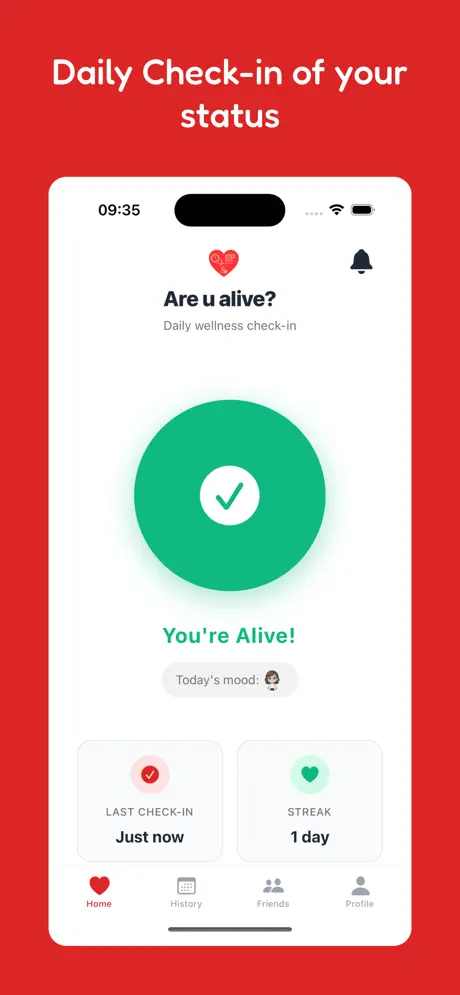
Daily Check-InDaily check-in without GPS tracking. One tap lets family know you're safe wherever you are.
- No GPS tracking
- Works anywhere
- Free
- Streak motivation
Solo travelers who want family peace of mind
bSafe
Emergency SOSPersonal safety app with SOS button, location sharing, and fake call features.
- SOS alerts
- Audio recording
- Fake calls
- Timer check-in
Active danger situations, walking alone at night
Life360
Location TrackingFamily location sharing with constant GPS tracking.
- Real-time location
- Drive safety features
- Location history
Families who want exact location at all times
Sitata
Travel SafetyTravel risk alerts and safety information for destinations worldwide.
- Risk alerts
- Safety information
- Travel advisories
Researching destination safety before travel
The Solo Traveler's Paradox: Seeking Solitude While Needing Connection
Solo travel is one of the most rewarding experiences a person can have. It offers a level of freedom and self-discovery that is impossible to find in a group. However, it also presents a unique paradox: the very solitude that travelers seek can also be their greatest risk factor in the event of an emergency.
In 2026, the technology behind solo travel safety has evolved to mirror this paradox. We no longer rely on constant tethering to a home base. Instead, we use "Intelligent Connectivity"—tools that provide a safety net without interrupting the flow of the journey.
The Anatomy of a Travel Emergency: Why Real-Time Data is Often Too Late
Many travelers believe that having an SOS app or a GPS tracker is enough. But consider the reality of a travel emergency—a sudden illness in a remote hostel, a lost passport, or getting stranded without cellular service. In these moments, you might not be *able* to press an SOS button.
**Are You Alive?** addresses this through **Passive Verification.** If you don't check in by your designated time, the system assumes there's a problem. This is critical for solo travelers because it ensures that help will be sent even if the traveler is incapacitated or leur device is lost.

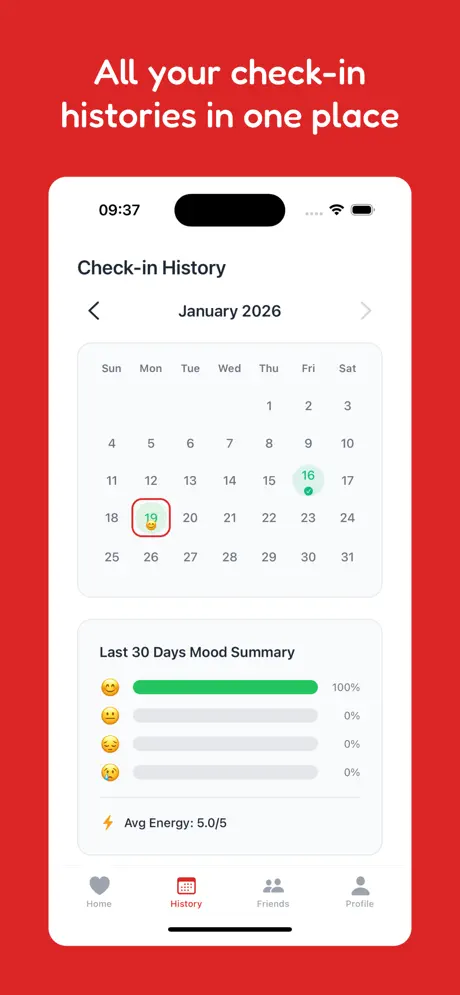
A consistent check-in record is a solo traveler's best friend.
Are You Alive? vs. SOS Apps: Understanding the Difference
It's important to understand the hierarchy of safety tools. **SOS apps** like bSafe are powerful tools for "active" danger—walking alone at night or feeling threatened. They are designed for the immediate 5-10 minutes of a crisis.
**Are You Alive?** is designed for the "24-hour cycle" of safety. It's the baseline that ensures someone always knows you made it through the day. Many seasoned backpackers use both: Are You Alive? for their daily peace of mind and bSafe for high-stakes urban environments.
Top Apps Compared
Are You Alive?
Daily Check-InDaily check-in without GPS tracking. One tap lets family know you're safe wherever you are.
- No GPS tracking
- Works anywhere
- Free
- Streak motivation
Solo travelers who want family peace of mind
bSafe
Emergency SOSPersonal safety app with SOS button, location sharing, and fake call features.
- SOS alerts
- Audio recording
- Fake calls
- Timer check-in
Active danger situations, walking alone at night
Life360
Location TrackingFamily location sharing with constant GPS tracking.
- Real-time location
- Drive safety features
- Location history
Families who want exact location at all times
Sitata
Travel SafetyTravel risk alerts and safety information for destinations worldwide.
- Risk alerts
- Safety information
- Travel advisories
Researching destination safety before travel
The Digital Nomad's Safety Stack: Tools for the Remote Life
Digital nomads face a unique set of safety challenges. They are often in a new city every month, working late hours in co-working spaces, and carrying expensive equipment. For this demographic, safety also includes "Digital Safety" and "Device Security."
Adding Are You Alive? to your nomad stack provides a layer of physical safety that complements your VPN and encrypted drives. It's the "human" element of your security protocol, ensuring that your physical wellbeing is tracked as diligently as your billable hours.
Safety protocols for the modern nomadic life.
Privacy on the Road: Why You Shouldn't Share Your Location with Everyone
A common mistake for solo travelers is sharing their live location in public groups or with people they've just met. This creates a massive security vulnerability. **Privacy is a form of safety.**
By using a system that doesn't rely on GPS, you eliminate the risk of your location data falling into the wrong hands. Your parents know you're safe because you checked in, but the internet doesn't know exactly which hostel room you're sleeping in.
Battery Management in Remote Areas: Why GPS is the Enemy
If you're trekking in Nepal or exploring the islands of Indonesia, battery life is your most precious resource. GPS tracking apps can drain a phone from 100% to 0% in a few hours of active use. In a real emergency, a dead phone is a death sentence.
**Are You Alive?** has zero impact on battery life. It only requires a few seconds of data connection once a day to send the check-in signal. For travelers in remote areas, this efficiency is not just a convenience—it's a critical safety feature.
Conclusion: Empowering Your Solo Journey
Solo travel is an act of bravery and curiosity. Your safety tools should empower those qualities, not stifle them with fear and surveillance. By choosing a system that respects your independence and values your privacy, you can explore the world with confidence. Build your safety stack, trust your instincts, and never forget to check in.
Our Recommendation
For 99% of solo travelers, Are You Alive? is the essential safety tool for 2026. It provides the maximum amount of peace of mind for your loved ones with the minimum amount of intrusion for you.
Complement it with Sitata for destination risk alerts and a local SOS option for high-risk environments. Stay curious, stay safe, and keep checking in.