Best Life360 Alternatives (2026)
Family safety apps that respect your privacy.
Why Look for Alternatives?
Life360 is popular, but many users have concerns:
- Constant GPS tracking feels invasive
- Battery drain from continuous location monitoring
- Privacy concerns about location data collection
- Relationship tension from surveillance dynamics
- Premium pricing for advanced features
Below are alternatives that offer family safety with different approaches to privacy.
The Surveillance Trap: Why Families Are Leaving Life360
For years, Life360 has been the default choice for family safety. However, as we move into 2026, a growing number of families are questioning the "Always-On" GPS model. The "Surveillance Trap" is a phenomenon where the technology intended to provide peace of mind actually creates new forms of anxiety and friction.
Constant location monitoring can lead to "micro-management" of family members' lives. Questions like "Why are you at the grocery store for so long?" or "Why did you take the long way home?" become common, eroding the sense of trust and autonomy that is vital for healthy relationships, especially as children transition into young adulthood.
Criteria for a Modern Life360 Alternative
When evaluating a Life360 alternative, consider the following three pillars:
- Autonomy: Does the app allow the user to control what information is shared and when?
- Privacy: Is the location data stored on a central server, or is it handled peer-to-peer/minimalistically?
- Reliability: Does the app provide a fail-safe mechanism if the user is unable to check in?

Safety should build trust, not replace it.
The Psychology of the Digital Leash
Psychologists have noted that 24/7 tracking can act as a "digital leash," preventing individuals from developing theirs own internal sense of safety and navigation. For seniors, it can feel like a loss of independence. For teenagers, it can feel like an invasion of privacy.
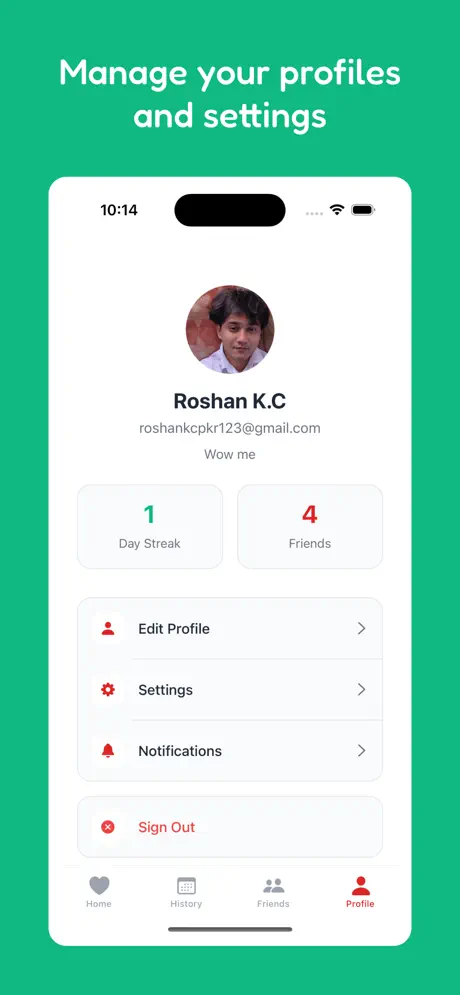
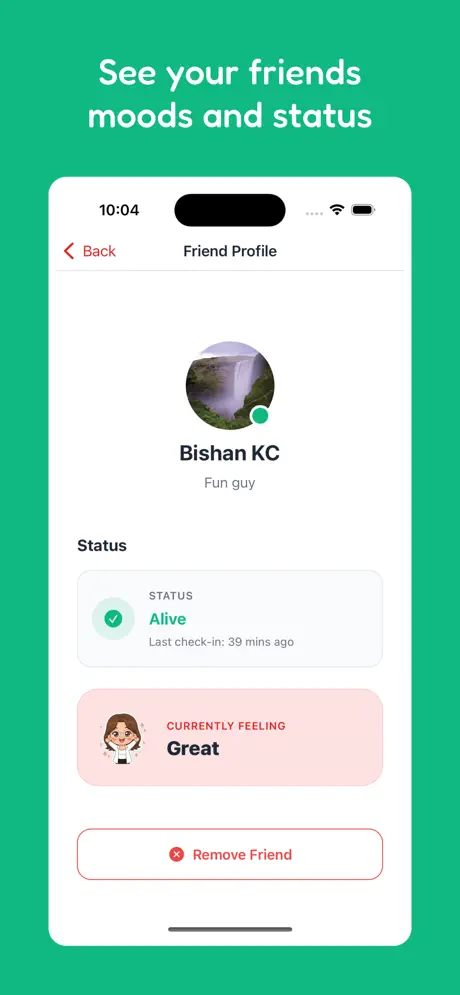
By contrast, a daily check-in system like Are You Alive? fosters "Digital Maturity." It requires the user to take an active role in their own safety, reinforcing a sense of responsibility rather than passive compliance.
Top Alternatives Compared
Are You Alive?
Daily Check-InSimple daily check-in without GPS tracking. One tap per day lets family know you're okay.
- Completely free
- No GPS tracking
- Simple interface
- Streak gamification
Adults who want accountability without surveillance
Apple Find My
Location SharingBuilt-in Apple location sharing. Can share location with specific people.
- Free
- Built into iPhone
- Can limit who sees you
Apple-only families wanting simple location sharing
Google Family Link
Parental ControlGoogle's parental control app for managing children's Android devices.
- Free
- Comprehensive controls
- Screen time limits
Parents monitoring young children on Android
Trusted Contacts
Emergency SharingShare location only when requested by trusted contacts. You can decline or auto-share.
- Privacy-respecting
- Request-based
- Free
Those wanting opt-in location sharing
Deep Dive: Battery Life and Data Privacy
One of the most overlooked aspects of Life360 alternatives is the impact on device health. Continuous GPS usage is one of the primary drivers of battery degradation. Over a two-year period, an app that tracks location 24/7 can significantly reduce the overall lifespan of a smartphone battery.
Furthermore, the "Data Economy" of safety apps is often murky. Locations are highly personal data points. By choosing an alternative that minimizes data collection, you are not just protecting your location today; you are protecting your digital footprint for the future.
The best data protection is data that was never collected.
Beyond Location: The Power of Active Check-ins
Real safety isn't just about where you are; it's about how you are. A GPS dot on a map can stay in the same place for hours—but it doesn't tell your family if you're sleeping, working, or in need of medical attention.
An **active check-in** provides a qualitative update. It says, "I am conscious, I am safe, and I am aware of my surroundings." This is a much higher form of verification than a passive coordinate.
Making the Transition: How to Talk to Your Family About Switching
Switching safety systems can be a sensitive conversation. We recommend focusing on "Quality of Life" and "Mutual Respect." Explain that move to a system like Are You Alive? isn't about hiding; it's about being more intentional with safety.
"I want you to know I'm safe, but I also want to preserve the privacy of my daily activities. By checking in once a day, you'll still have that 100% peace of mind, without either of us feeling watched."
Our Recommendation
For families transitioning away from surveillance, Are You Alive? is the premier Life360 alternative of 2026. It balances the need for connectivity with the right to privacy.
While trackers have their place for young children, for independent adults and seniors, the daily check-in model is not only more respectful—it's more effective at building long-term peace of mind.
The Intersection of Safety and Freedom: A Global Perspective
Across the globe, the definition of "safe" is changing. In some cultures, safety is communal and based on shared responsibility. In others, it is individualistic and based on technology. As we navigate the complexities of 2026, the most successful safety tools are those that can bridge these cultural divides.
Life360 represents a very specific, Western-centric model of safety through surveillance. However, many global users prefer the "Subtle Safety" model offered by check-in systems. This approach respects the cultural value of autonomy while still providing the necessary safety net for emergencies.
Comparing Emergency Response Capabilities
It is important to distinguish between "Awareness" and "Response." Life360 focuses on awareness—knowing where everyone is. Medical alert systems focus on response—sending help after an incident.
Are You Alive? focuses on **Verification.** By verifying your status daily, you create a "safety trigger" that is independent of your physical ability to call for help. This makes it an ideal companion to existing emergency services, filling the critical gap between "everything is fine" and "I need help now."
The Future of Family Safety: Privacy as a Human Right
We believe that in the future, privacy will be seen as a fundamental component of safety. You cannot be truly safe if your data is at risk. By moving away from invasive tracking and toward intentional check-ins, you are taking a stand for your family's digital rights. Choose an alternative that respects your past, protects your present, and secures your future.