How Are You Alive? Compares
See how our simple daily check-in approach compares to location trackers, medical alerts, and other safety solutions.
What Makes Us Different
| Feature | Are You Alive? | Location Apps | Medical Alerts |
|---|---|---|---|
| Price | Free forever | Freemium | $30-50+/month |
| GPS Tracking | None required | Constant | Optional |
| Privacy | High | Low | Medium |
| Daily Visibility | Yes | Real-time | None |
| Setup | App download | App setup | Device installation |
| Stigma | None | Low | Medical device |
Detailed Comparisons
See how we stack up against specific alternatives
Are You Alive? vs Life360
Popular family location sharing app with constant GPS tracking.
Are You Alive? vs Life Alert
Emergency response system for seniors with wearable panic button.
Are You Alive? vs bSafe
Personal safety app with SOS alerts and location sharing.
Are You Alive? vs Medical Guardian
Medical alert system with various device options for seniors.
Are You Alive? vs Find My Friends
Apple's built-in location sharing feature.
Are You Alive? vs Habitica
Gamified habit tracking with RPG elements.
The Evolution of Personal Safety: From Surveillance to Presence
For the last decade, the personal safety market has been dominated by two extremes: real-time GPS tracking for families and medical alert buttons for seniors. While both technologies have their place, they often come with significant downsides, including high costs, privacy invasions, and social stigma.
Privacy vs. Safety: The False Trade-off of Modern Apps
Apps like **Life360** and **Find My Friends** rely on a "constant surveillance" model. They provide safety by knowing exactly where you are at every second. While this is useful for parents of teenagers, it's often too intrusive for adults, solo travelers, or independent seniors.
**Are You Alive?** creates a middle ground. We believe that **Presence is the ultimate proof of safety.** If you check in every morning, your location doesn't matter—your status as being "alive and active" does. This preserves your privacy while giving your loved ones exactly what they truly want: the knowledge that you are okay.
Choose a safety record of consistency over a history of location tracking.
The Hidden Cost of Compliance: Why Safety Shouldn't have a Subscription
Traditional medical alert systems like **Life Alert** can cost upwards of $600 per year. For many families, this is a significant financial burden. Furthermore, these systems are often reactive—they only help *after* a fall has occurred.
We built Are You Alive? to be **free forever.** We want safety to be accessible to everyone, regardless of their budget. By using existing smartphone technology, we've removed the hardware costs and the monthly "safety tax."
Understanding Different Safety Use Cases
Different situations require different tools. Here's how we see the landscape:
- **High-Risk Physical Danger:** If you are in immediate physical danger, you need an SOS app like **bSafe** or local emergency services.
- **Child Safety:** If you need to know exactly when your child arrives at school, **Life360** is a great tool.
- **Wellness & Long-Term Awareness:** If you live alone, travel solo, or care for an aging parent, **Are You Alive?** is the most effective and least intrusive tool available.
Collaborative safety vs. hierarchical surveillance.
Why "Gentle Accountability" is Winning
Modern users are suffering from "app fatigue" and "notification overload." Most safety apps are designed to be "loud"—they beep, they flash, and they demand attention.
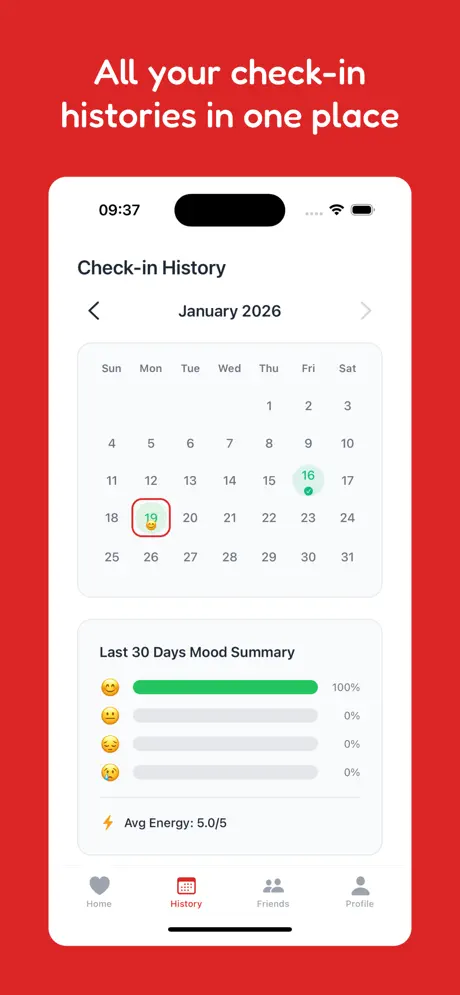
**Are You Alive?** is designed to be "quiet." It's a gentle ritual—one tap per day. If you don't do it, we send a subtle reminder. Only after 1-3 days of silence do we escalate to your emergency contacts. This "lag time" prevents the panic caused by a dead phone battery or a brief lapse in cellular service.
The Verdict: Which App Should You Choose?
If you value your privacy, hate monthly fees, and want to build a sustainable habit of safety, Are You Alive? is the best choice on the market today. We don't track your steps, we don't watch your location, and we don't sell your data. We just make sure you're okay.
The Psychology of Safety vs. The Reality of Surveillance
There is a significant psychological difference between "being watched" and "being looked after." Constant GPS tracking can create a sense of anxiety and distrust, even among family members. It fosters a environment where "safety" is equated with "control."
Are You Alive? turns this dynamic on its head. By requiring a manual check-in, we empower the user. The safety is an active choice, not a passive state of surveillance. This distinction is crucial for maintaining healthy relationships and a sense of personal agency.
How to Choose: A Step-by-Step Guide for Families
Choosing the right safety tool involves asking three key questions:
- **What is the specific risk?** (e.g., a fall, getting lost, or social isolation?)
- **What is the user's technical comfort level?** (Do they want a complex app or a one-tap solution?)
- **What is the privacy tolerance?** (Are you okay with 24/7 location sharing?)
If the primary goal is peace of mind for an independent adult, the answer is almost always a daily check-in system rather than a tracker.
The Paradigm Shift: From Monitoring to Membership
Most safety apps treat the person being protected as a subject of monitoring. They focus on where that person is, what their battery level is, and even how fast they are driving. This "Surveillance Model" creates a hierarchical relationship that can feel infantalizing for adults and seniors.
**Are You Alive?** shifts this paradigm toward a "Membership Model." By checking in, you are actively participating in your own safety and the peace of mind of your community. It's an act of agency, not a state of being watched. This subtle shift makes our app much more attractive to independent thinkers who value their freedom as much as their safety.

Safety is a shared responsibility, not a one-way street.
A Comprehensive Framework for Evaluating Safety Apps
When choosing a safety solution, we recommend evaluating it across four key dimensions:
- **Visibility:** How much information is shared? (Check-in status vs. Exact coordinates)
- **Intrusiveness:** How much does it interrupt your life? (One tap vs. Constant background tracking)
- **Privacy:** Who owns your data and where is it stored? (Minimalist local-first vs. Centralized movement history)
- **Cost:** What is the long-term financial commitment? (Free vs. Monthly subscription)
Are You Alive? is engineered to excel in all four areas, providing the maximum balance of visibility and privacy at the lowest possible cost to the user.
The Cost of Surveillance: Battery, Privacy, and Peace of Mind
There is a technical and psychological "tax" for 24/7 location tracking. Technically, it drains your battery and consumes your data. Psychologically, it creates a "digital leash" that can lead to micro-anxiety and social friction.
By removing the need for constant GPS, we eliminate the technical tax and replace the psychological burden with a simple, empowering daily ritual. We believe that the best safety system is one you don't have to think about for more than five seconds a day.
Privacy-first safety is no longer a luxury—it's a requirement.
Why the "Dead Man's Switch" is the Gold Standard for Solo Travelers
In the context of solo travel, "Emergency SOS" buttons are often useless if the traveler is incapacitated or loses their device. This is where the concept of a "Dead Man's Switch"—the core mechanic of Are You Alive?—becomes the gold standard.
If you don't check in, the system assumes you need help. This "Passive Alert" system is the only way to ensure that someone will come looking for you even if you cannot call for help yourself. It's the ultimate backup for the modern adventurer.
Modernizing Senior Care: Why We're Moving Away from Wearables
The traditional medical alert necklace is becoming a relic of the past. Modern seniors are tech-savvy, active, and refuse to be defined by their age. They don't want a "shame pendant." They want tools that look like what everyone else is using.
Are You Alive? turns the smartphone into the ultimate discreet safety secondary. It provides the daily check-in that families crave without the visual stigma of medical hardware. It's senior care modernized for 2026.
The Logic of the Gap: Why 24-Hour Windows Work
Some people ask, "Isn't waiting 24 hours too long?" In reality, most emergencies are discovered within hours by friends or family anyway. The 24-hour check-in acts as the *final safety net*. It catches the cases that would otherwise fall through the cracks—the person who lives alone and isn't expected anywhere, or the traveler in a remote area.
By providing this broad window, we prevent the "False Alarms" that plague real-time tracking apps while still ensuring that a 100% reliable alert is sent if the check-in is missed.
Final Comparison: Making the Right Choice for Your Family
Ultimately, the best safety app is the one you will actually use. If you want a tool that respects your privacy, costs nothing, and builds a healthy habit of connection, Are You Alive? is the clear winner for 2026. Compare the features, understand the philosophies, and choose the path of independence.
Comprehensive Safety Guides
Deep dives into the best tools for every situation
Best Life360 Alternatives
Privacy-focused alternatives for family safety without constant GPS tracking.
View listBest Elderly Check-In Apps
Top apps for checking on aging parents and seniors living alone.
View listBest Solo Travel Safety Apps
Safety apps for solo travelers, digital nomads, and backpackers.
View listFree Daily Check-In Apps
No-cost options for daily accountability and safety check-ins.
View listTry the Simple Approach
One tap a day. No GPS. No monthly fees.